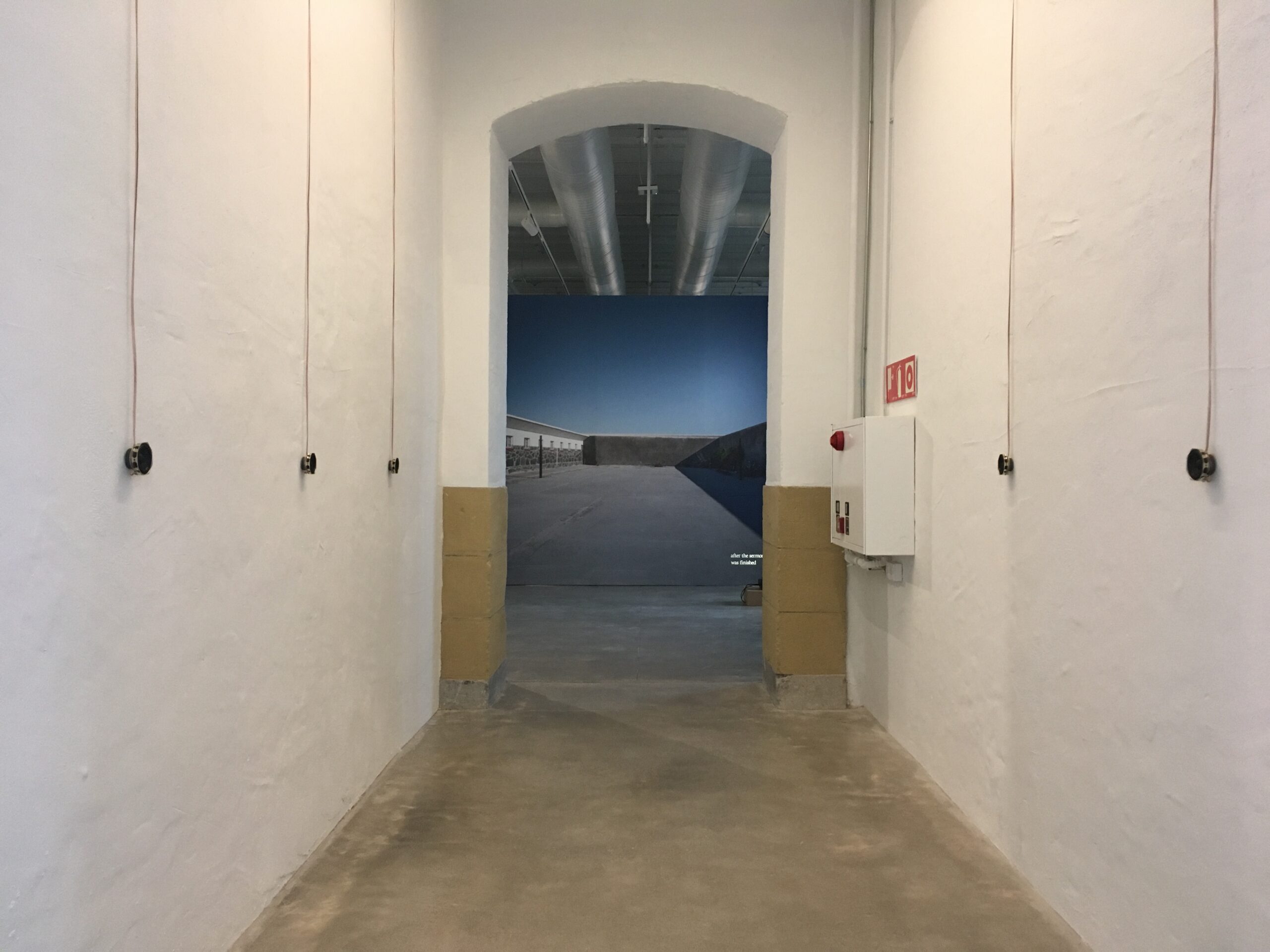
7 Jun ’19 – 6 Oct ’19
Uriel Orlow | Tabakalera, San Sebastian

Videoex, the largest Experimental Film & Video Festival in Switzerland, is celebrating its 21st edition this year. A special programme on the 26th and 30th of May focused on the work of Uriel Orlow will be screened.
Sunday 26.05. 17:45
CH-Fokus Uriel Orlow I
Theatrum Botanicum
Thursday 30.05. 21:15
CH-Fokus Uriel Orlow II
The Future is History /
History is the Future
Sunday 26.05. 20:00
Talk with the artist

Across two exhibition venues, the Centre for Contemporary Art ‘Ancient Bath’ and the former tobacco warehouse SKLAD in Plovdiv, Bulgaria.
With works by Donatella Bernardi, Ursula Biemann, Luchezar Boyadjiev, Johanna Bruckner, Sarah Burger, Delphine Chapuis Schmitz, Valko Chobanov, Voin de Voin & Marie Civikov, Jonas Etter, Anne-Laure Franchette, Monica Ursina Jäger, Stefanie Knobel, Marlene Maier, Boyan Manchev with Ani Vaseva and Leonid Yovchev (Metheor), Emil Mirazchiev, Uriel Orlow, Ursula Palla, Lourenço Penaguião Soares, Elodie Pong, Oliver Ressler, Tabita Rezaire, Dorothea Rust, Elza Sile, Kerstin Schroedinger, Pascal Schwaighofer, Venelin Shurelov, Sandro Steudler, Kamen Stoyanov, Milva Stutz, Katharina Swoboda, Una Szeemann / Bohdan Stehlik, Riikka Tauriainen, Lena Maria Thüring, Alexander Tuchaček, Borjana Ventzislavova, and Martina-Sofie Wildberger.
With interventions and talks by the philosophers Boyan Manchev, Stanimir Panayotov, and Gerald Raunig.

Major exhibition on our relationship with nature curated by Kathrin Meyer with works by John Baldessari, Alberto Baraya, André Bayard, Uriel Orlow, Elske Rosenfeld, Michael Sailstorfer, Renée Sintenis, Åsa Sonjasdotter, Alexandra R. Toland, Michael Wang and many others.

Projections of artists films in the urban space of St Gallen, Switzerland. With works by Shirana Shahbazi, Felix Bächli, Simone Kappeler, Uriel Orlow, Maya Rochat, Hannah Weinberger, Beni Bischof and others. Curated by Anna Vetsch and Nina Keel.


Group show curated by Mawena Yehouessi with works by Alexandre Ikihide, Ali-Eddine Abdelkhalek et Emile Barret, Clara Noseda, El Popo Sangre, Elete Wright, Elise Voët, Ezra Wube, Ingrid Baars, Jim Chuchu, Jonathan Dotse, Justine Villermet, Kendario La’Pierre, Kodwo Eshun, Kwesi Abbensetts, Kyo-Hyun Kim, M.Y, Marie-Mam Sai Bellier et Clément Lemaire, Maya Deren et Alexander Hammid, Mirella Riccardi, Momoko Seto, Ndoho Ange, Nicolas Pirus, Nkiruka Oparah, Odendaal Esterhuyse, Raphaël Barontini, Romain Cieutat, Selly Raby Kane, SHRBR RPXR, Tabita Rezaire, Tifaine Coignoux, Uriel Orlow, Vincent Chevillon, Wendy Morgan.
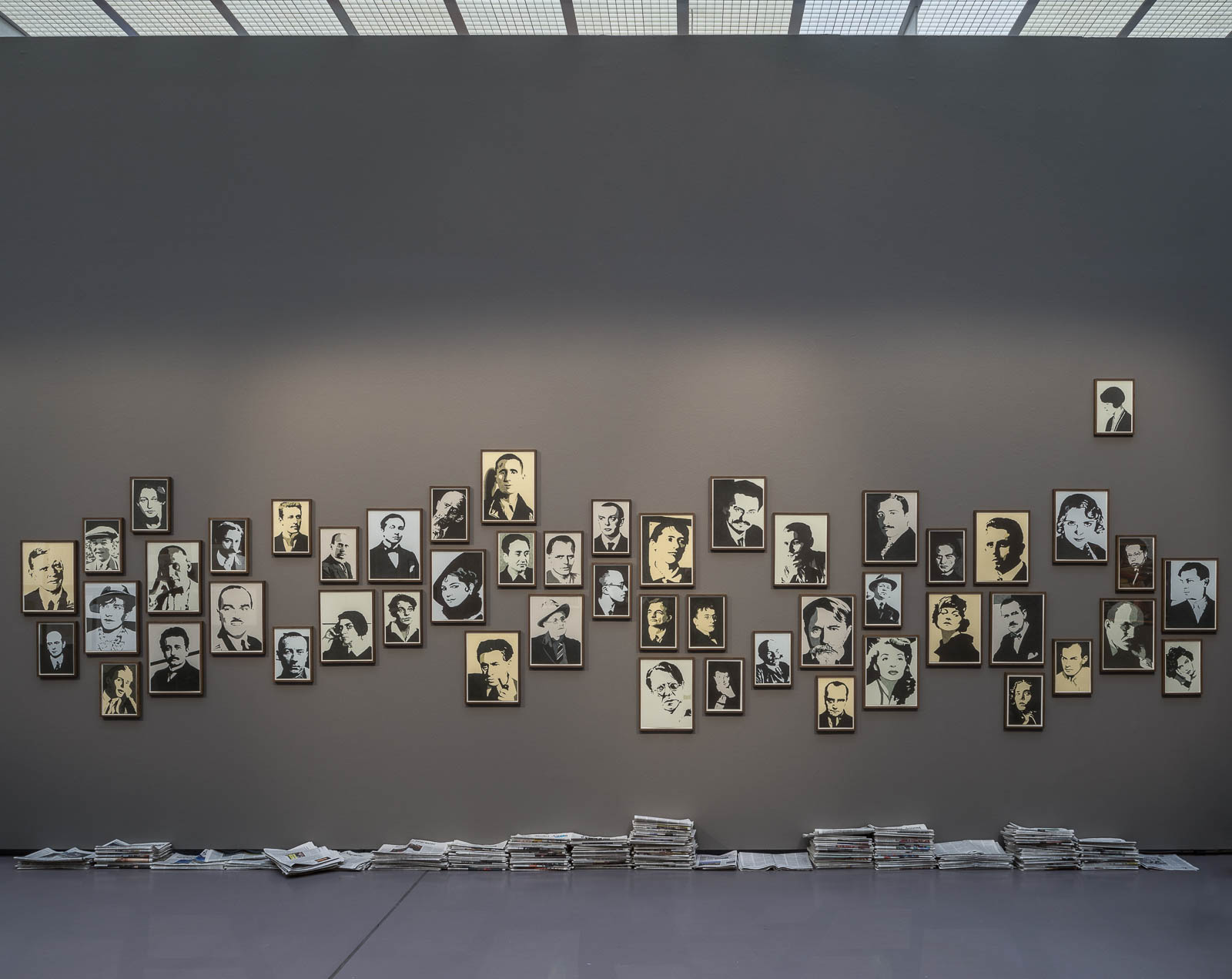
Group exhibition with works by Judith Albert, Max Almy, Hanspeter Ammann, Knut Åsdam, Klaus vom Bruch, Balthasar Burkhard, Dimitri Devyatkin, Herbert Distel, AK Dolven, Chris Evans, Peter Fischli / David Weiss, Kit Fitzgerald, Herbert Fritsch, Michael von Graffenried, Luzia Hürzeler, Ute Friederike Juerz, Jutta Koether, Jochen Kuhn, Muriel Kunz, Maria Lassnig, Les Levine, Mark Lewis, Carlo E. Lischetti, MadeIn Company, Cory McCorkle, Gerald Minkoff, Tatsuyo Miyajima, Irene Muñoz Martin, Muriel Olesen, Uriel Orlow, May-Thu Perret, Elodie Pong, Sean Scully, René Pulfer, Markus Raetz, Pamela Rosary, Christoph Rütimann, Francisco Sierra, Tom Skapoda, Edin Velez, Christian Vetter, Bill Viola, Anna Winteler, Camilo Yañez.
A group exhibition featuring works by Ian Anüll, Istvan Balogh, Sabian Baumann, Vanessa Billy, Sandra Boeschenstein, Reto Boller, Anton Bruhin, Brigitte Dätwyler, Cédric Eisenring, Robert Estermann, Garret Nelson, Florian Germann, Patrick Graf, Michéle Graf & Selina Grüter, Colin Guillemet, Raphael Hefti, Cécile Huber, Thomas Julier, San Keller, Franziska Koch, Petra Köhle / Nicolas Vermot Petit-Outhenin, Miriam Laura Leonardi, Tobias Madison, Fabian Marti, Media Group Bitnik, Dieter Meier, Mélodie Mousset, Jos Näpflin, Yves Netzhammer, Uriel Orlow, Elodie Pong, Jessica Pooch, RELAX chiarenza & hauser & co, Riika Tauriainen, Romy Rüegger, Karin Sander, Katja Schenker, Doris Stauffer, Eva Stürmlin, and Sebastian Utzni.

The exhibition Choreography of the Frame investigates and negotiates positions and strategies of image production – through conceptual or technical frameworks and shifts in the context of photography and moving image, images and statements are redefined and re-contextualised. The dissolution of established genre ascriptions, borders, and frameworks by individual artistic practices and strategies calls for a re-examination of the image.
Be it an enlarged photograph that takes on the dimensions of a wall or a space, a photograph that is folded into a sculpture, a photographic or filmic work that expands the mise-en-cadre to include or thematise the underlying conditions of image production – in all of the exhibited works the conventions are suspended, while the production process itself and its mechanisms, logics, and conditions are brought into focus.
With works by Marwa Arsanios, Gwenneth Boelens, Maia Gusberti, Yasmina Haddad, Herbert Hofer, Tatiana Lecomte, Gabriela Löffel, Claudia Märzendorfer, Charlotte Moth, Uriel Orlow, Pascal Petignat / Martin Scholz, Klaus Scherübel, Michaela Schwentner, Lina Selander
Curated by Maia Gusberti and Michaela Schwentner

A group show curated by Tasja Langenbach.
With works by Ale Bachlechner, Janet Biggs, Lotte Meret Effinger, Constantin Hartenstein, Hörner & Antlfinger, Mikhail Karikis und Uriel Orlow, Randa Maroufi, Neozoon, Stefan Panhans, Lucy Pawlak, Florian Pugnaire und David Raffini, Johanna Reich, Julia Scher.
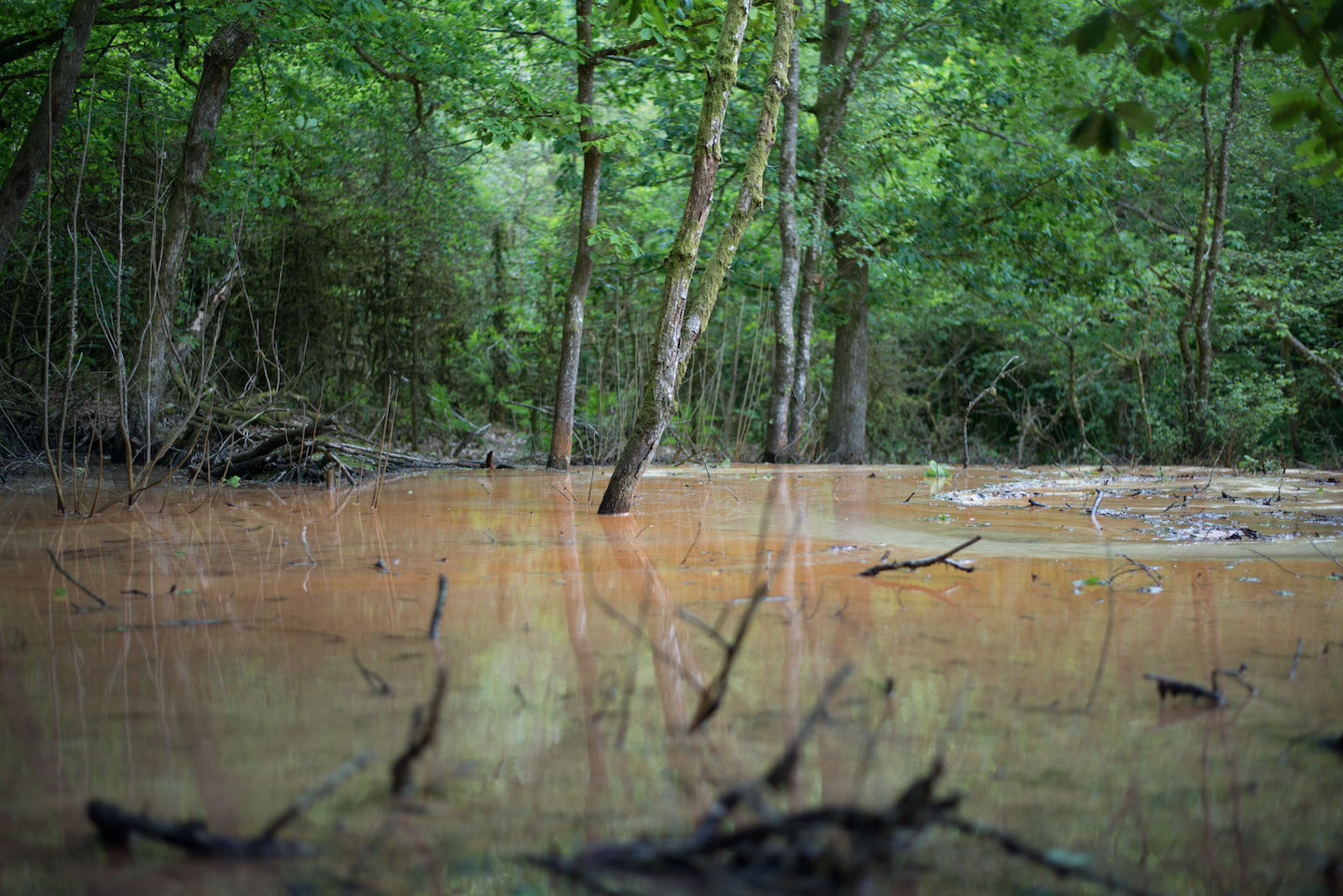
The Atlantic Project is a pilot for a new international festival of contemporary art in the South West of England, taking place in public contexts and outdoor locations across Plymouth, curated by Tom Trevor.
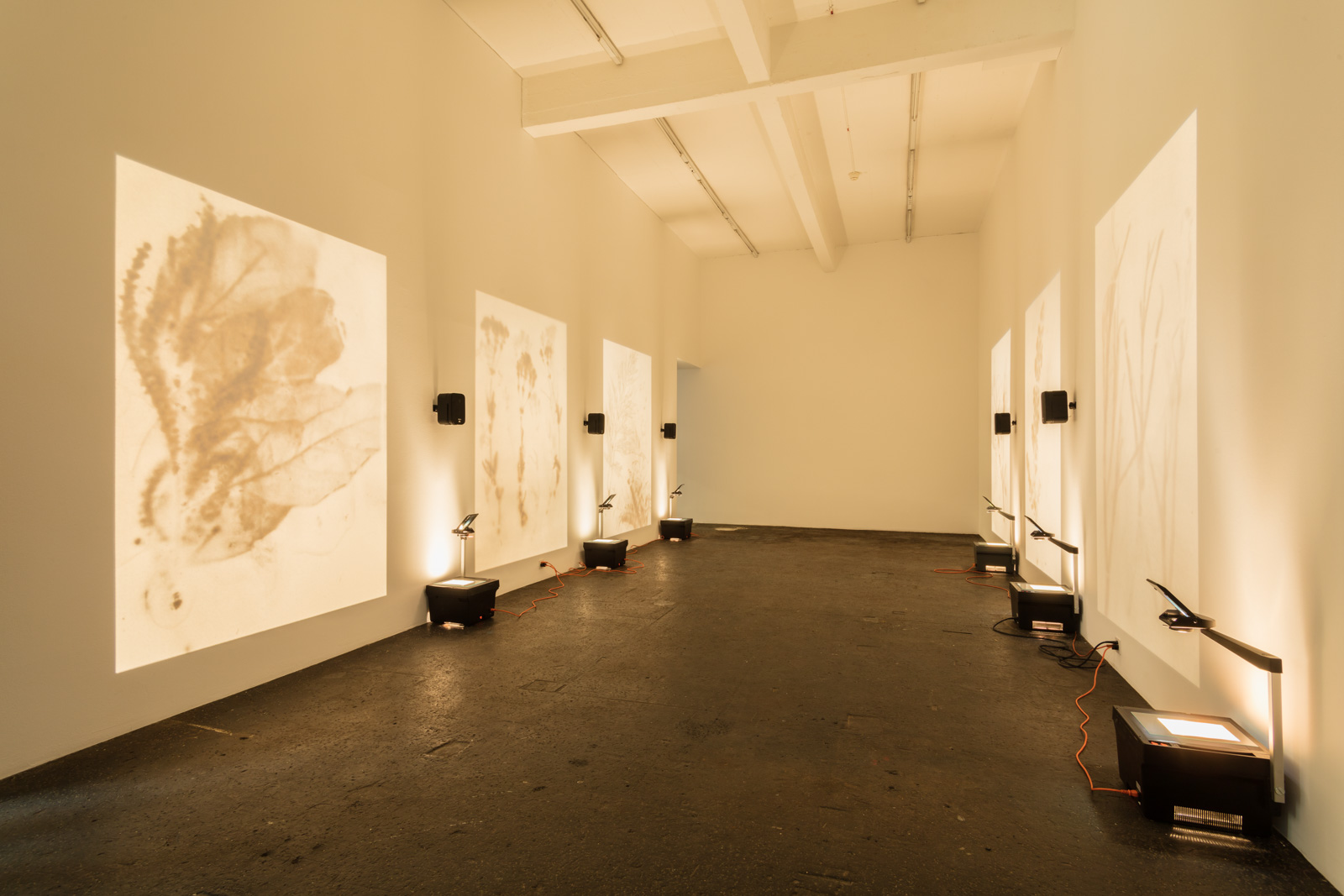
A grammar built with rocks presents artistic practices that trace the racialized and gendered relationship between bodies and land, and question narratives of socioecological crisis that contribute to the displacement and erasure of people and collective formations. With Carmen Argote, Julien Creuzet, DAAR (Decolonizing Architecture Art Residency), Sandra de la Loza, Regina José Galindo, Adam Khalil, Zack Khalil and Jackson Polys, Zara Kuredjian, Uriel Orlow, Gala Porras-Kim, Susan Silton, and Cauleen Smith.
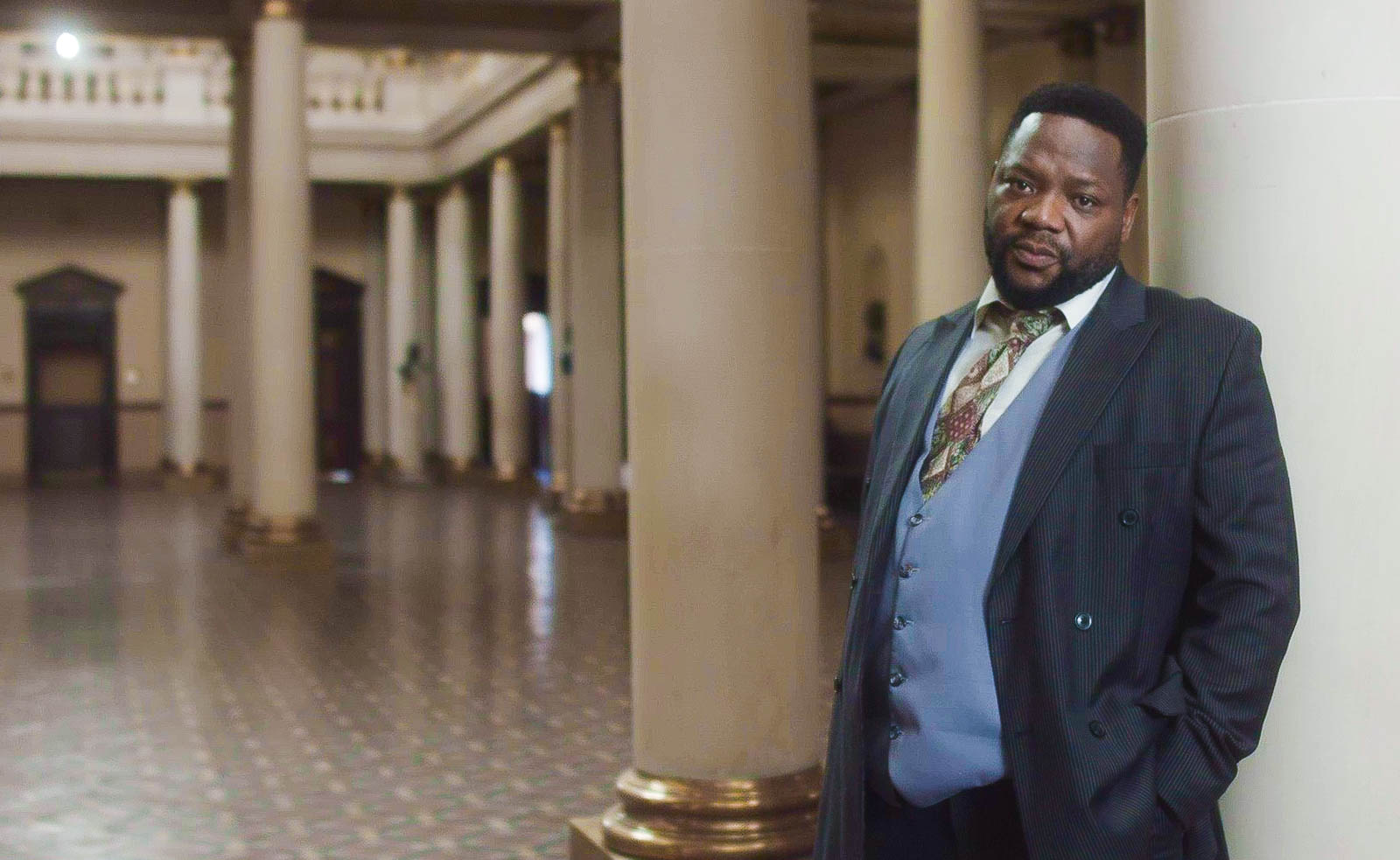
The exhibition Herbarium collects and presents artists exploring various medical traditions, future ecologies, theft of biological material and colonial resistance.

Floraphilia aims to illuminate social and political aspects of the history of plants, botany and botanical gardens. With works by Alberto Baraya, Maria Thereza Alves, Candice Lin, Uriel Orlow and others. Curated by Aneta Rostkowska.

Ways of Learning foregrounds forms of knowledge production that stem from anecdote, informality and collectivity, in contrast to increasingly marketised formal educational systems. With Alex Martinis Roe, Uriel Orlow and feminist action group Mujeres Públicas.

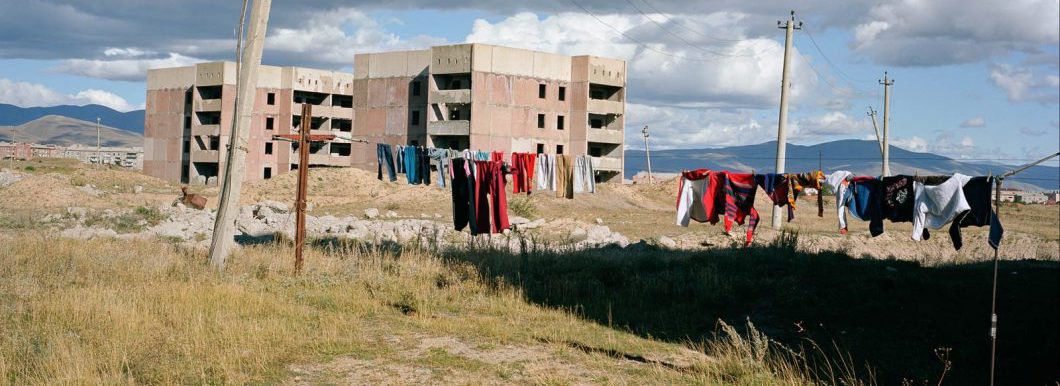
Solo show of Remnants of the Future: part documentary film, part sci-fi, Remnants of the Future portrays the precarious existence in a post-Soviet ghost-town – a modern ruin that is still waiting to fulfil its utopian ambition of communal living.
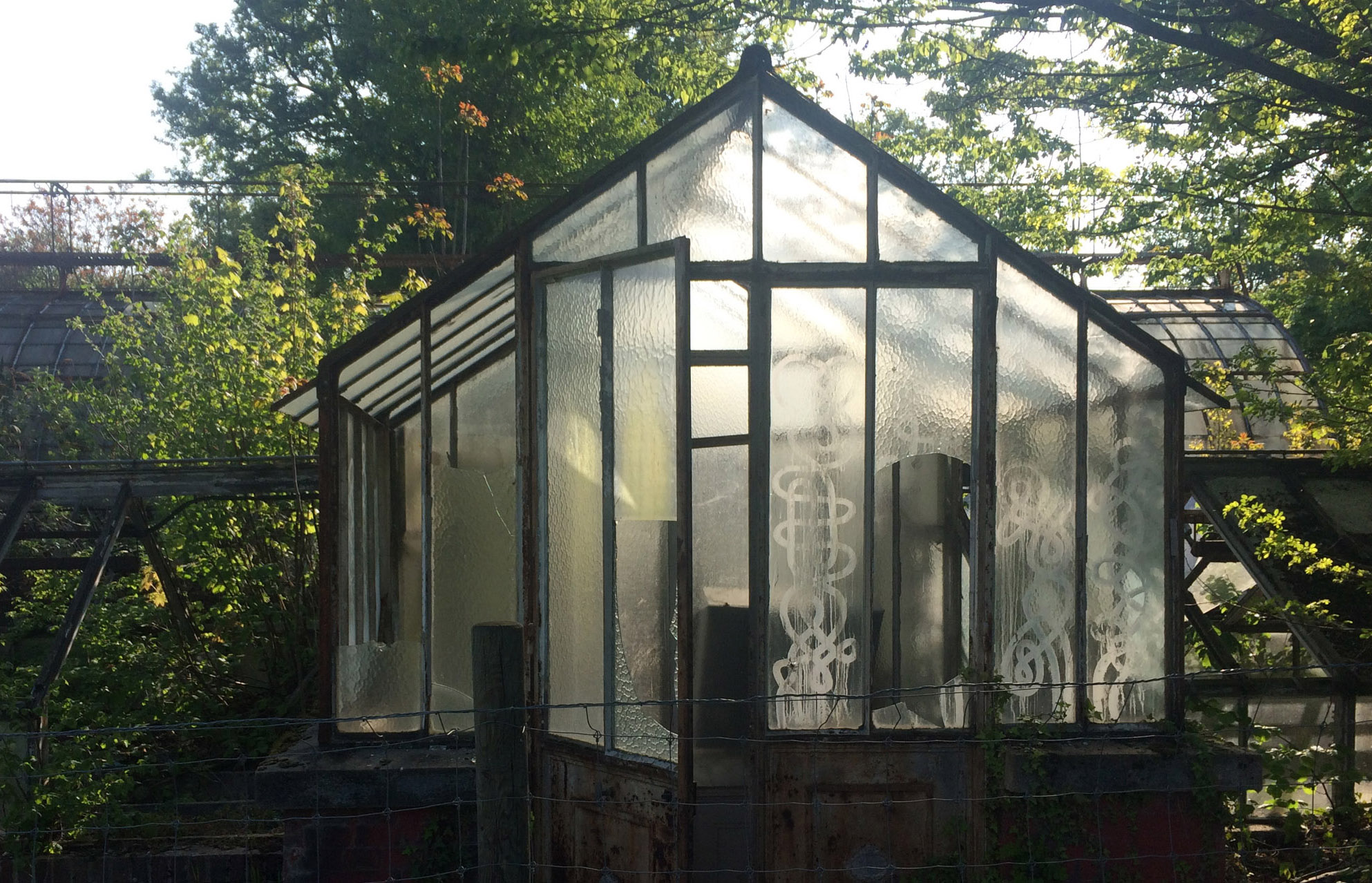
Soil Affinities presents the fruits of Uriel Orlow’s research residency over 2017 and 2018 in Aubervilliers north of Paris and in West Africa (Senegal and Mali), and returns to Aubervilliers’ 19th century market gardening past which ended when the factories started to take over, around the same time as European countries, including France, began to develop a colonial agriculture in Africa whose roots reach into our post-colonial present.
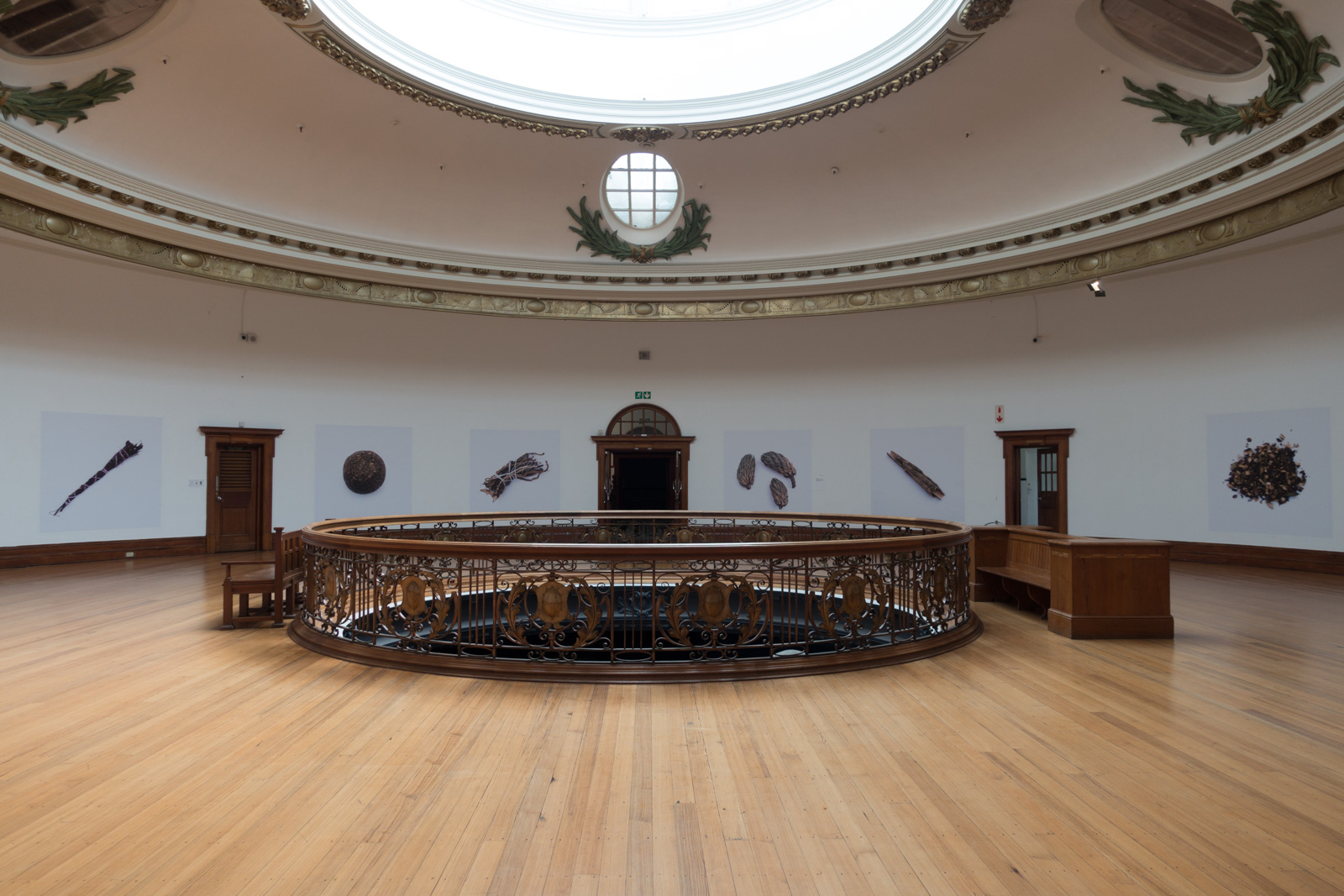
Exhibitions of Theatrum Botanicum across three cities in South Africa.
Durban Art Gallery, 14 September – 28 October 2018, Market Photo Workshop, Johannesburg, 7 September – 21 October 2018, Pool, Johannesburg, 4 September – 2 November 2018, ICA Live Arts Festival 2018 and IZIKO South African Museum, 12 – 14 September 2018.